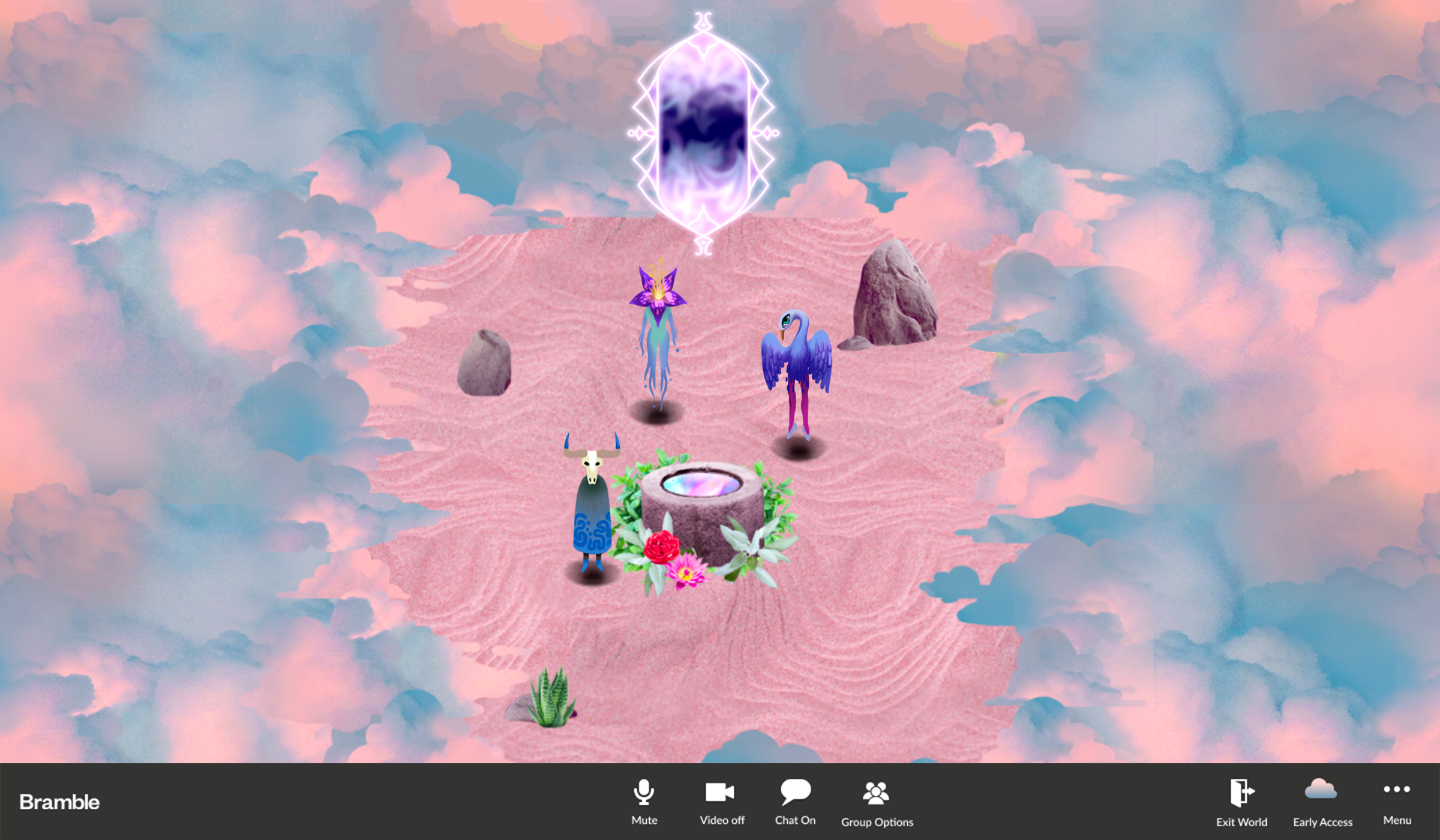
Bramble — Brand Art Style Guide
Overview
Bramble is an online gathering space designed to feel imaginative, welcoming, and customizable. The goal of this project was to establish a distinct brand art style that balanced creativity and whimsy with the practical realities of a product-driven environment—specifically speed of production, scalability, and client customization.
As Art Director, I helped define the visual language for Bramble, guiding the creation of a flexible art style system that supported both world-building and efficient asset production.
Project Type
Brand Art Direction
Visual Systems
Asset Frameworks
Role
Art Director
Tools & Programs
Adobe InDesign
Deliverables
Art Style Guide
Concept Art
Asset Templates
Project Objective
Create a visually distinctive art style for Bramble that set it apart from competitors while remaining efficient, scalable, and adaptable to user customization within the product.
PHASE 1
Defining the Style Goals
Art Style Goals
The foundation of the Bramble visual system was built around a clear set of goals:
Feel fresh, stylish, and distinct from competitors
Balance artistry with efficiency
Support seamless client customization
Inject whimsy, delight, and personality into the experience
These goals guided every design decision throughout the project.
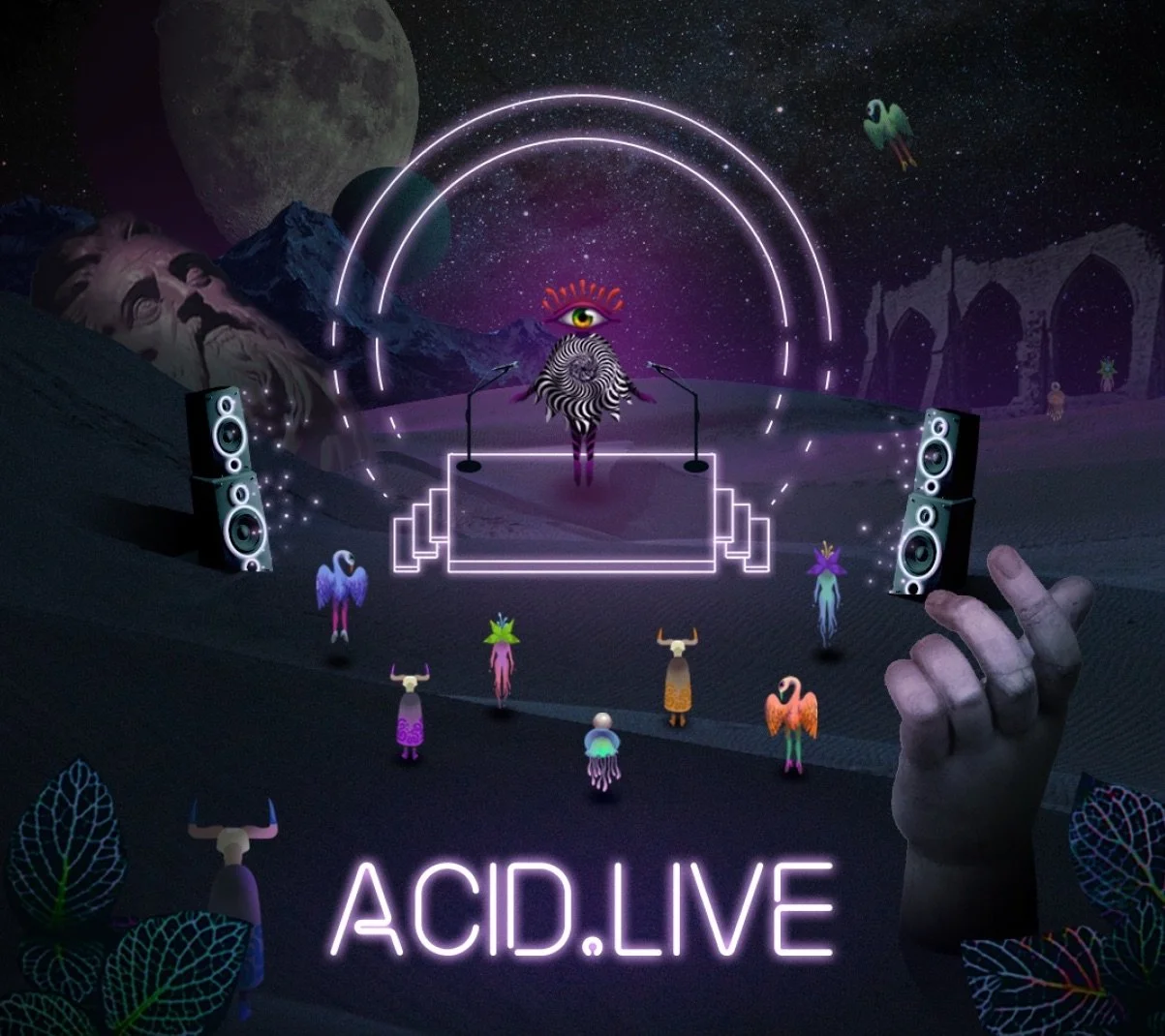
PHASE 2
Style Inspiration & Visual Language
Blending Whimsy with Reality
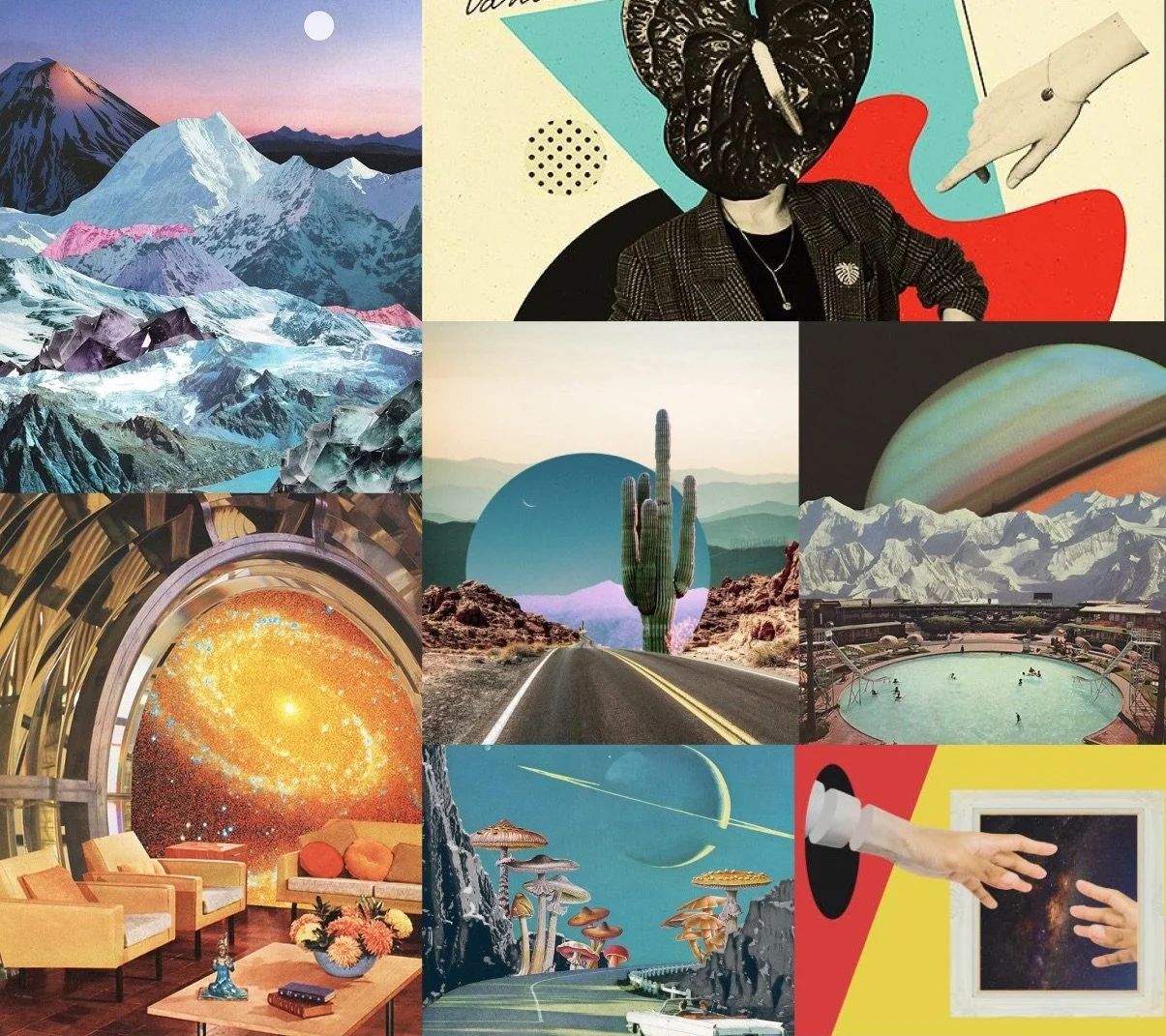
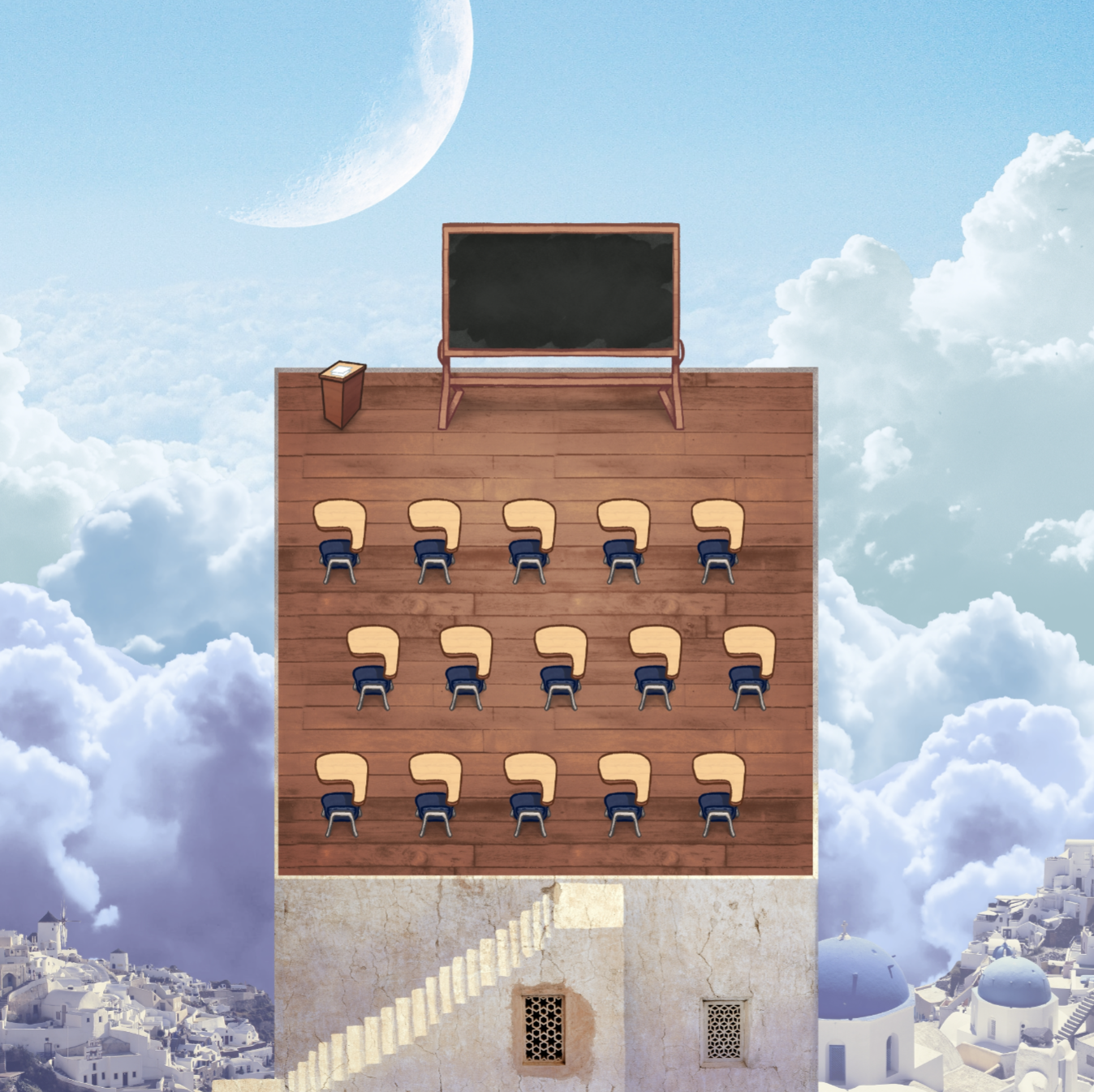
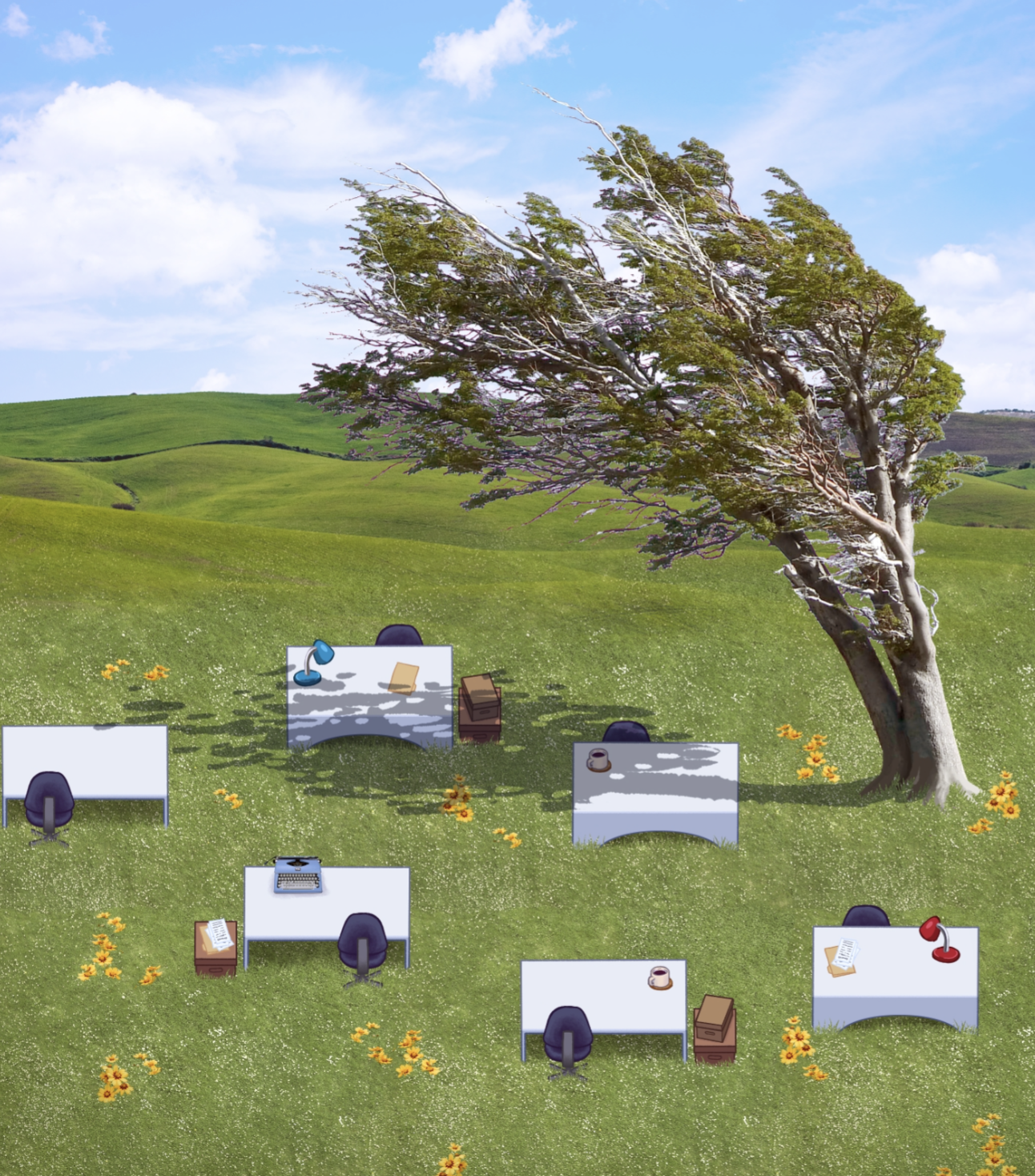
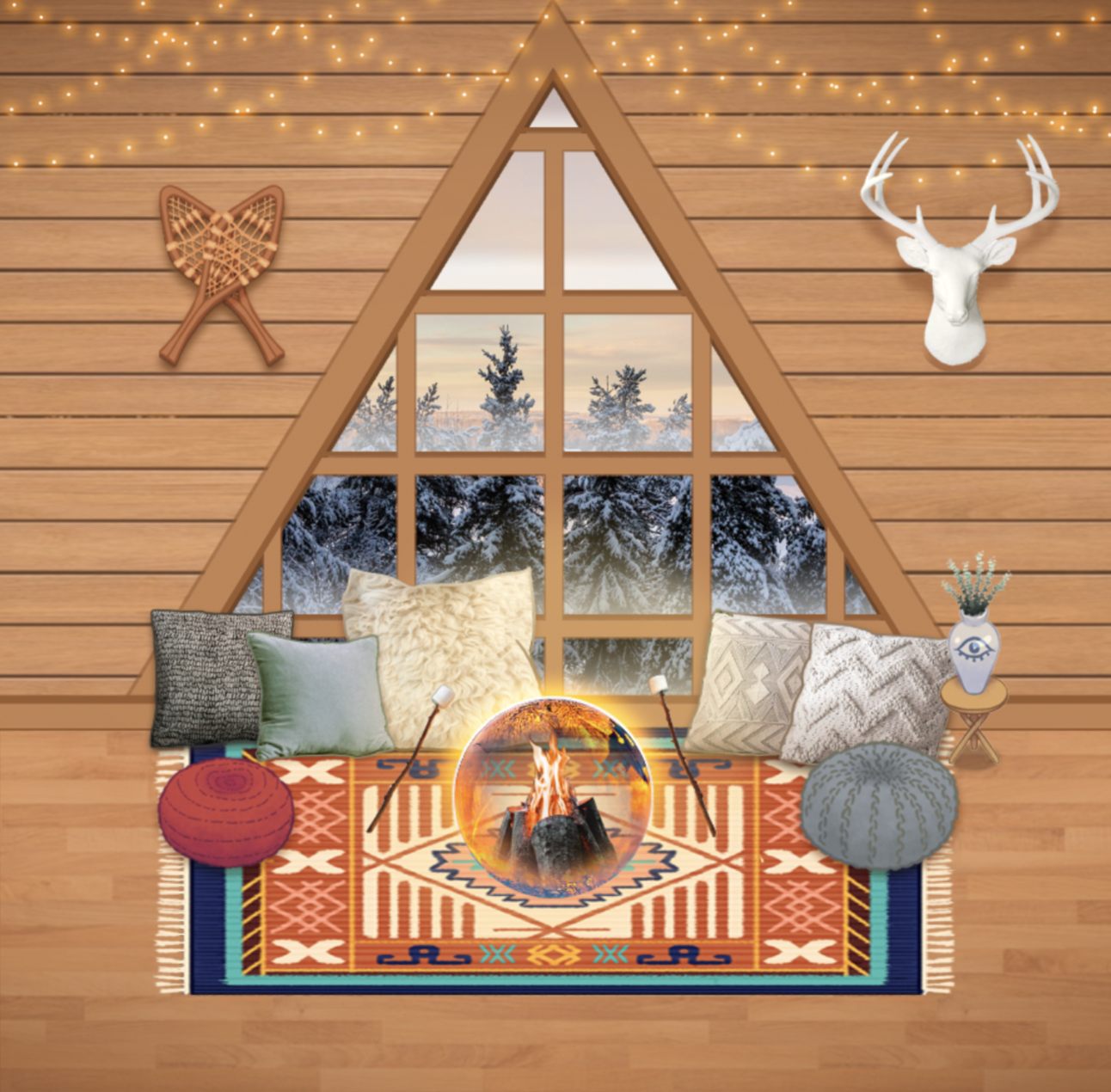
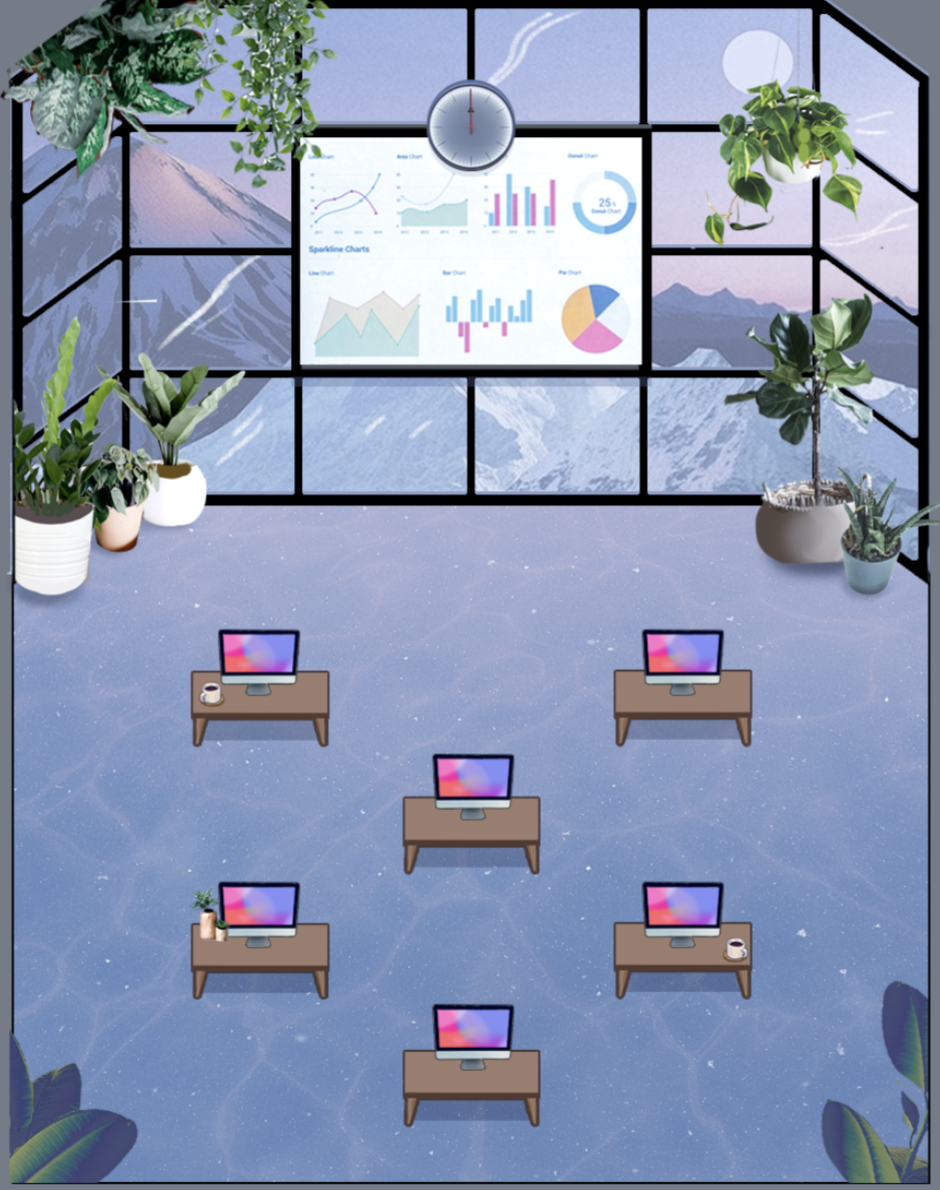
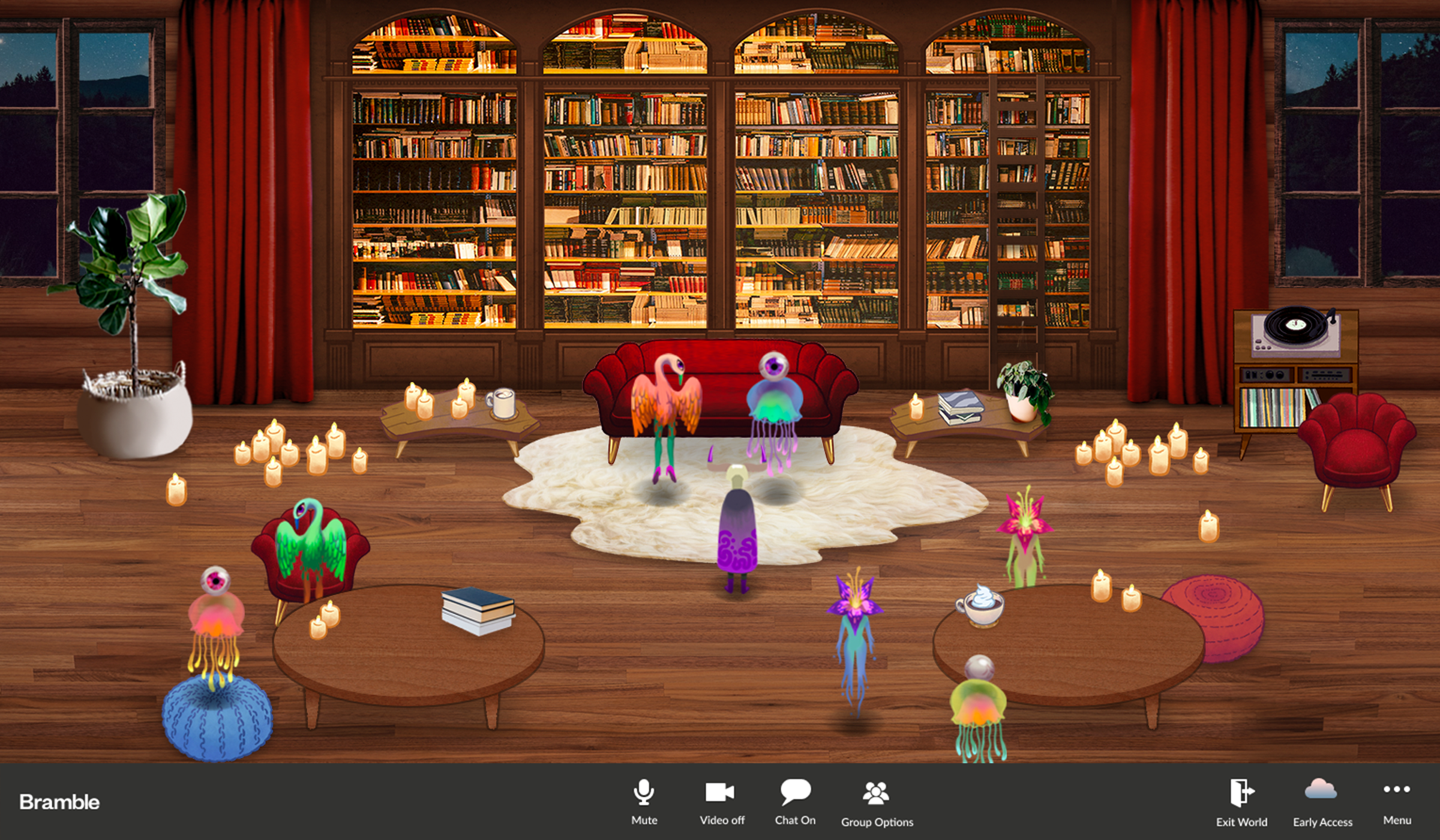
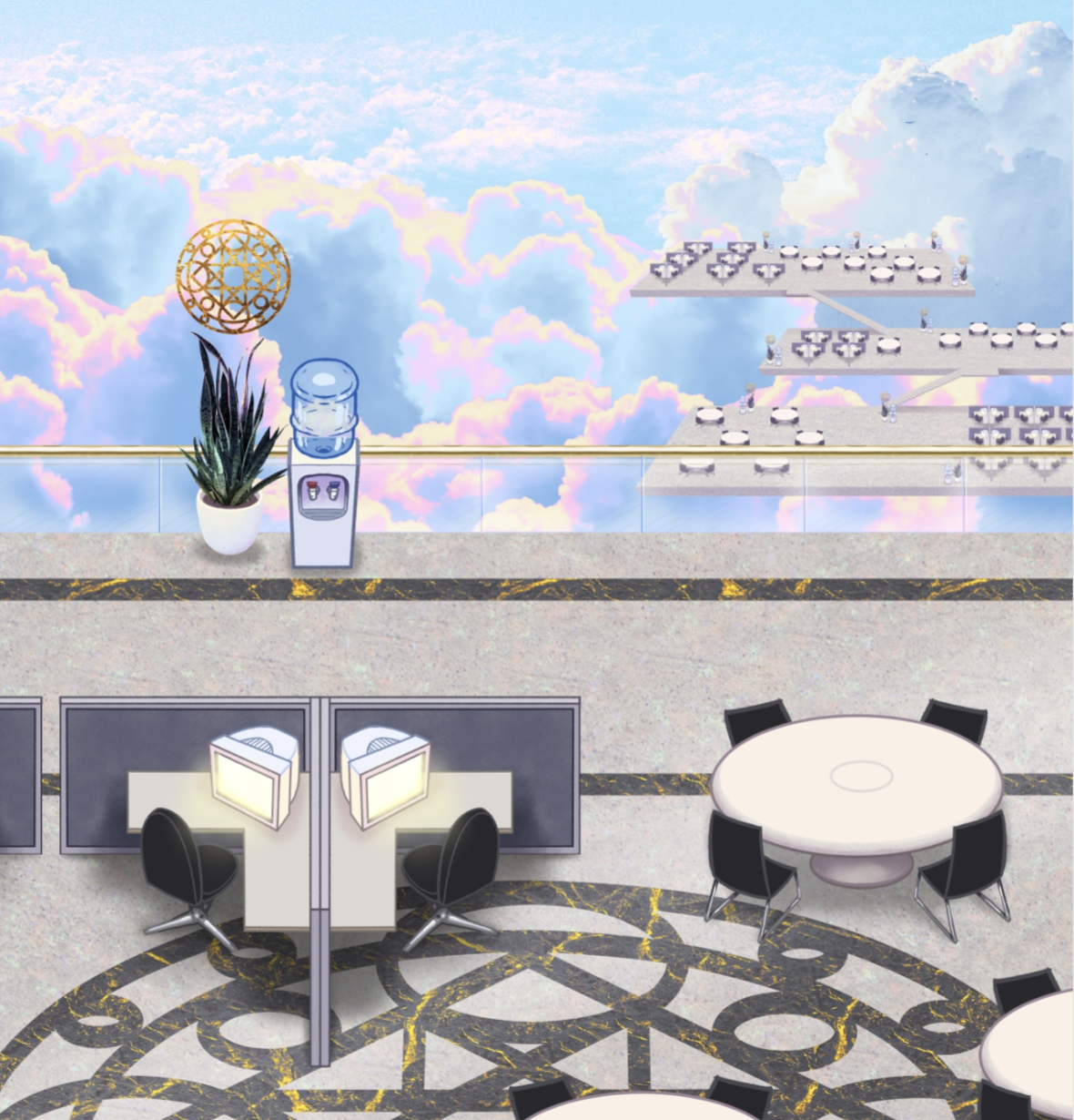
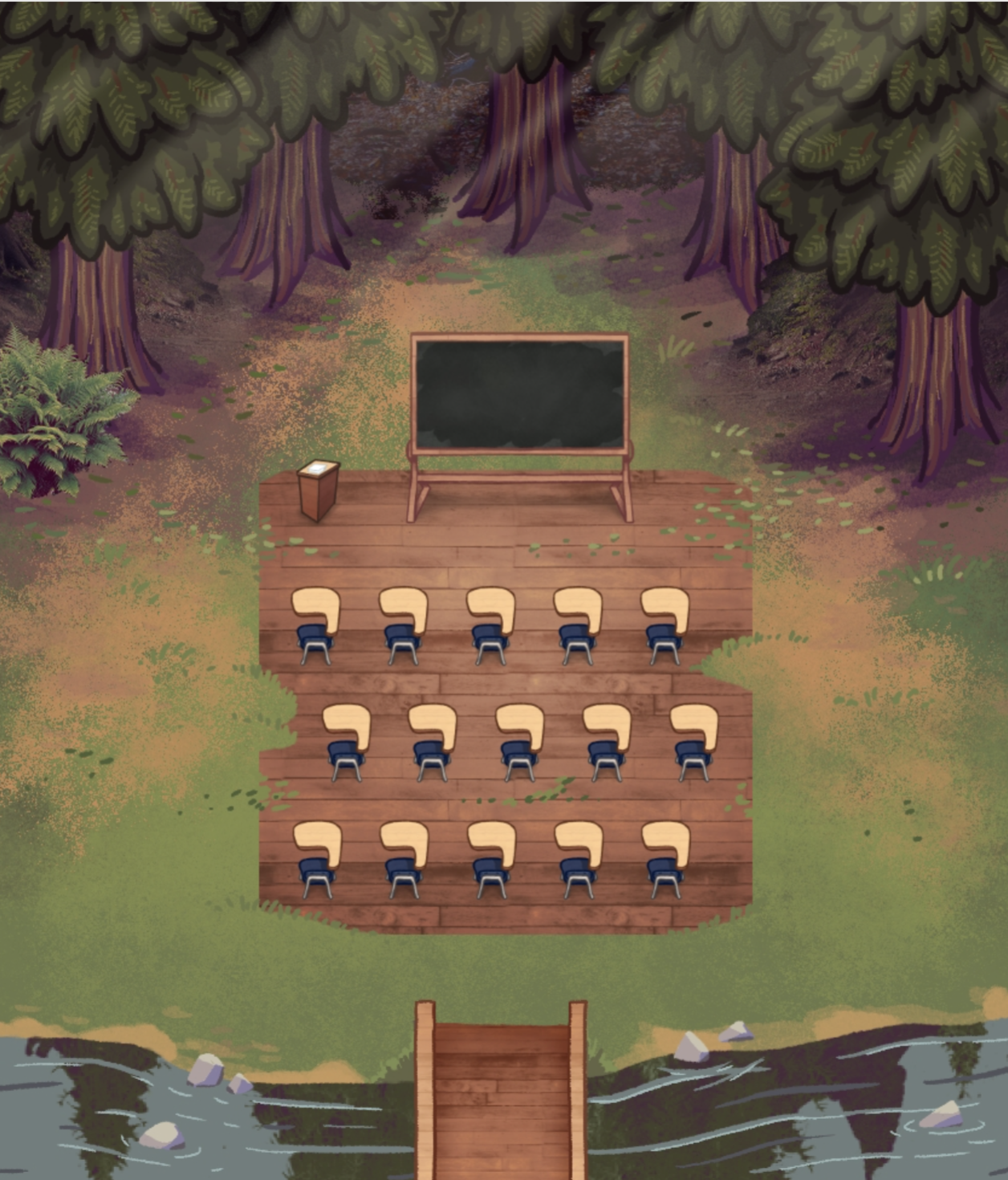
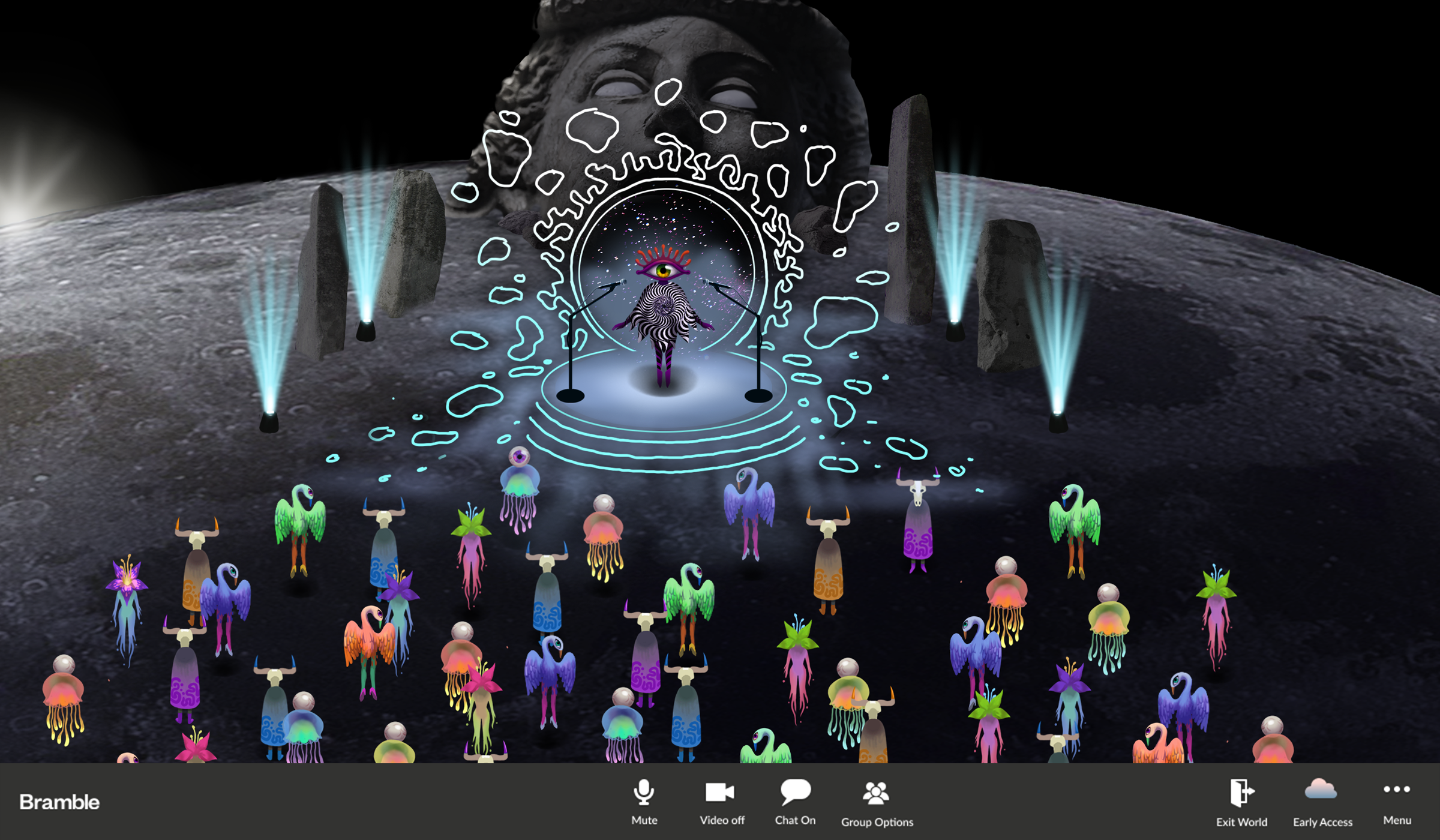
The Bramble style draws from a combination of hand-drawn elements and photo collage, creating a world that feels grounded yet magical.
Visual Influences
Magical realism and surrealism
Hand-crafted illustration layered with photography
Collage techniques that elevate everyday environments
A sense of “better than reality” — spaces that feel imaginative and transportive
This approach allowed Bramble to feel playful and expressive while maintaining visual clarity.
PHASE 3
Concept Art & Style Definition
Defining the Rules of the World
Concept art played a critical role in shaping the Bramble aesthetic.
Concept Development Focus
Testing the balance between whimsy and usability
Establishing clear limitations and constraints
Refining art guidelines for asset creation
Ensuring consistency across environments and objects
This phase translated creative exploration into a usable, repeatable system.
PHASE 4
Customization & Modularity
Designing for Personalization
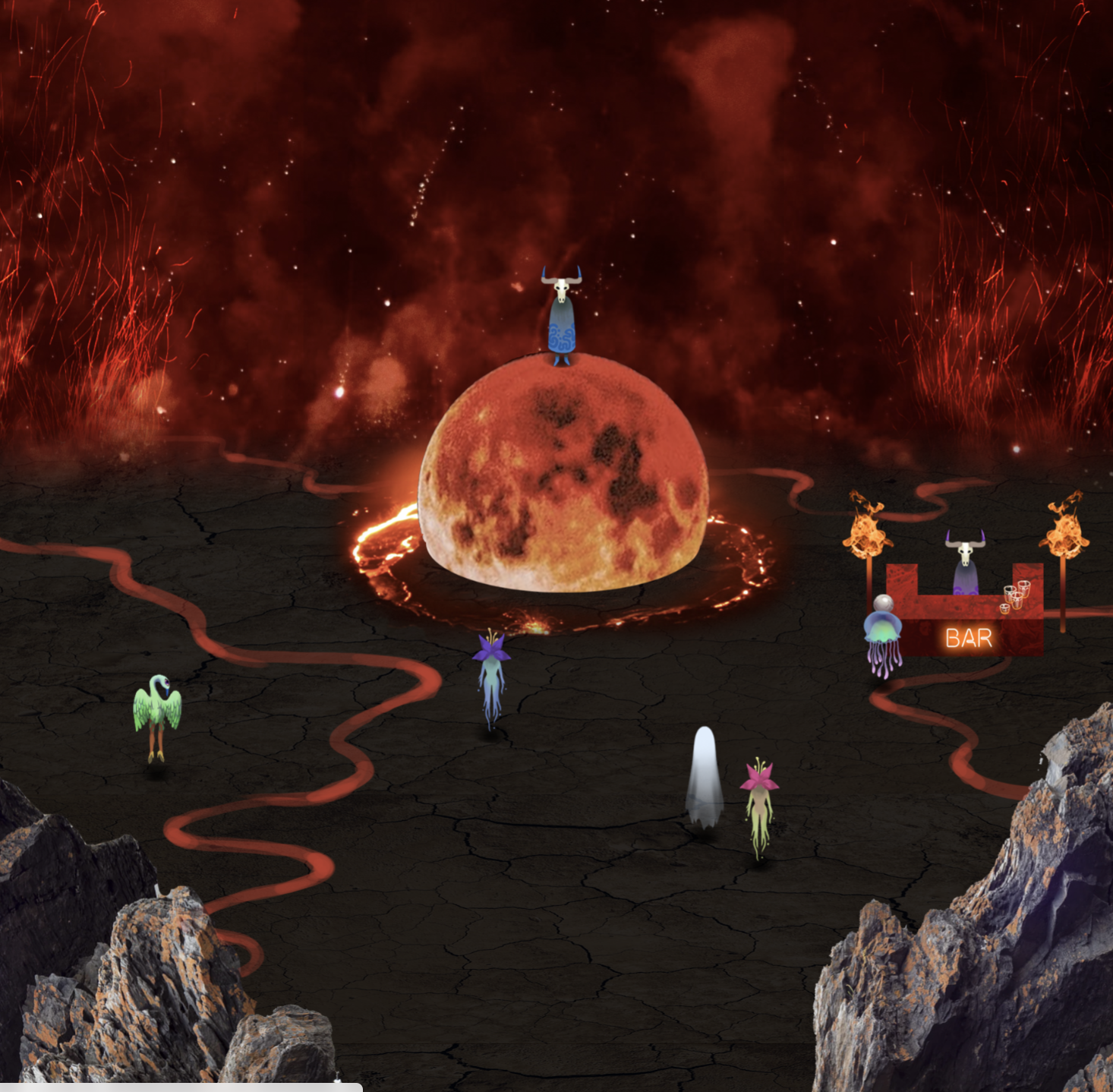
Customization is a core feature of Bramble, allowing users to make their virtual spaces feel personal and expressive.
Customization Strategy
Designed assets that could be easily swapped or layered
Embraced incongruity as a strength of the collage style
Ensured new elements could integrate seamlessly into existing environments
The visual system encouraged experimentation while maintaining cohesion.
PHASE 5
Systems & Asset Templates
Building for Speed & Consistency
In collaboration with the level design team, we created a robust asset template system to support rapid production.
System Highlights
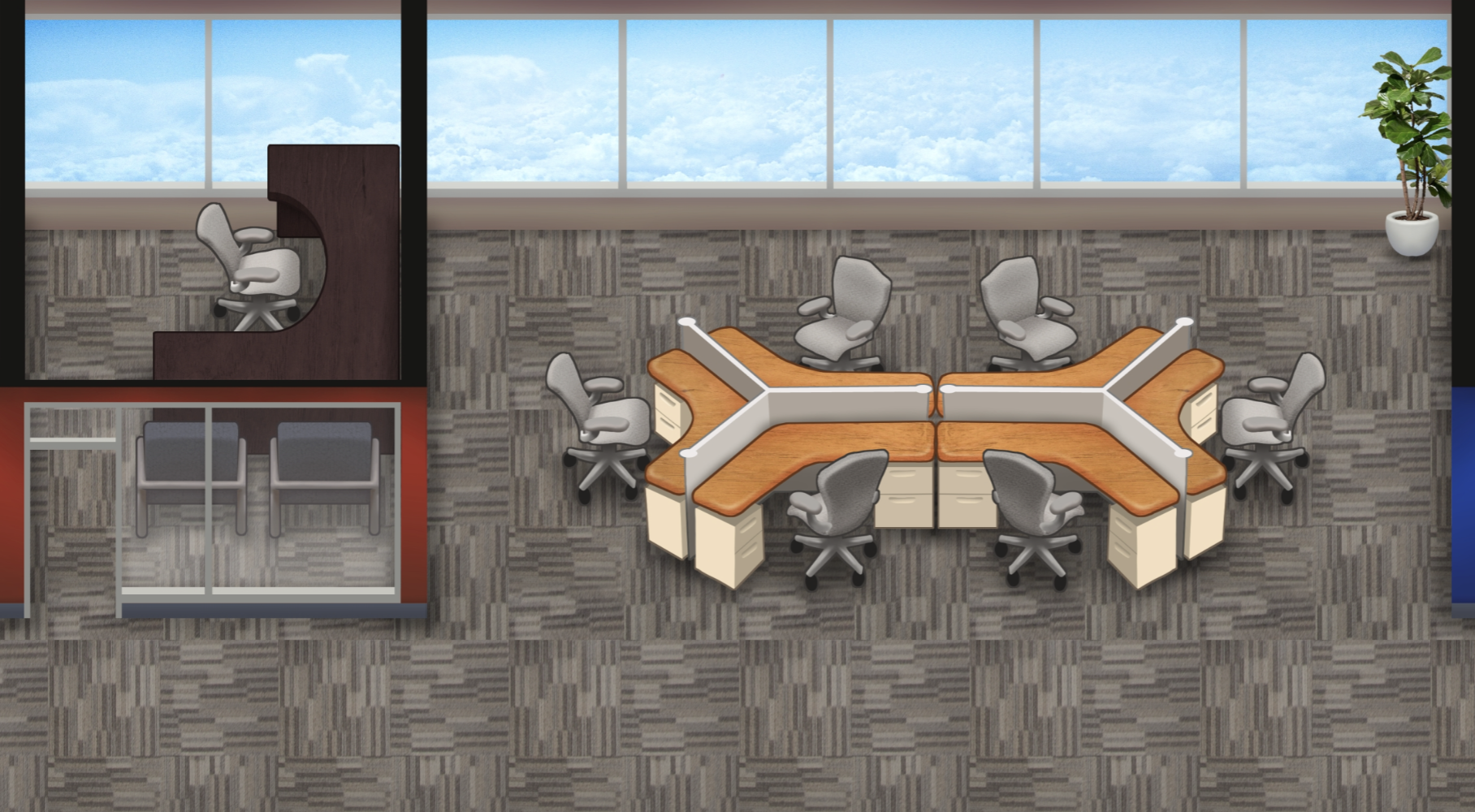
Stand-in assets defining size, orientation, and placement
Clear naming conventions for cross-team clarity
Templates that allowed art and level design to work in parallel
Improved speed, efficiency, and consistency across production
This system ensured the style could scale without sacrificing quality.
Results & Impact
A distinctive, memorable art style for Bramble
A scalable system supporting fast asset production
Seamless integration of client customizations
Strong collaboration between art and level design teams
A balance of delight, usability, and efficiency