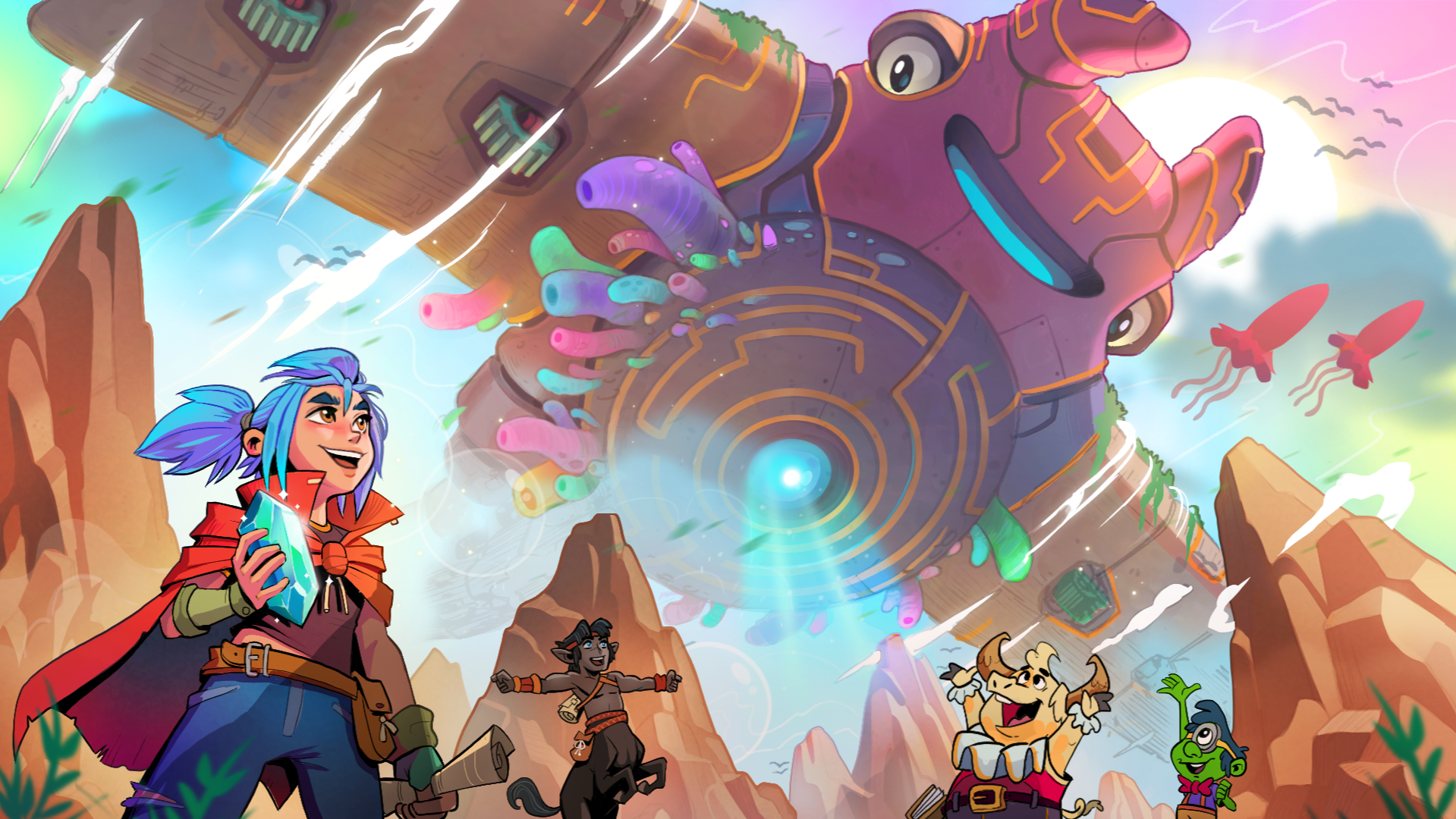
Istation Game Demo
Overview
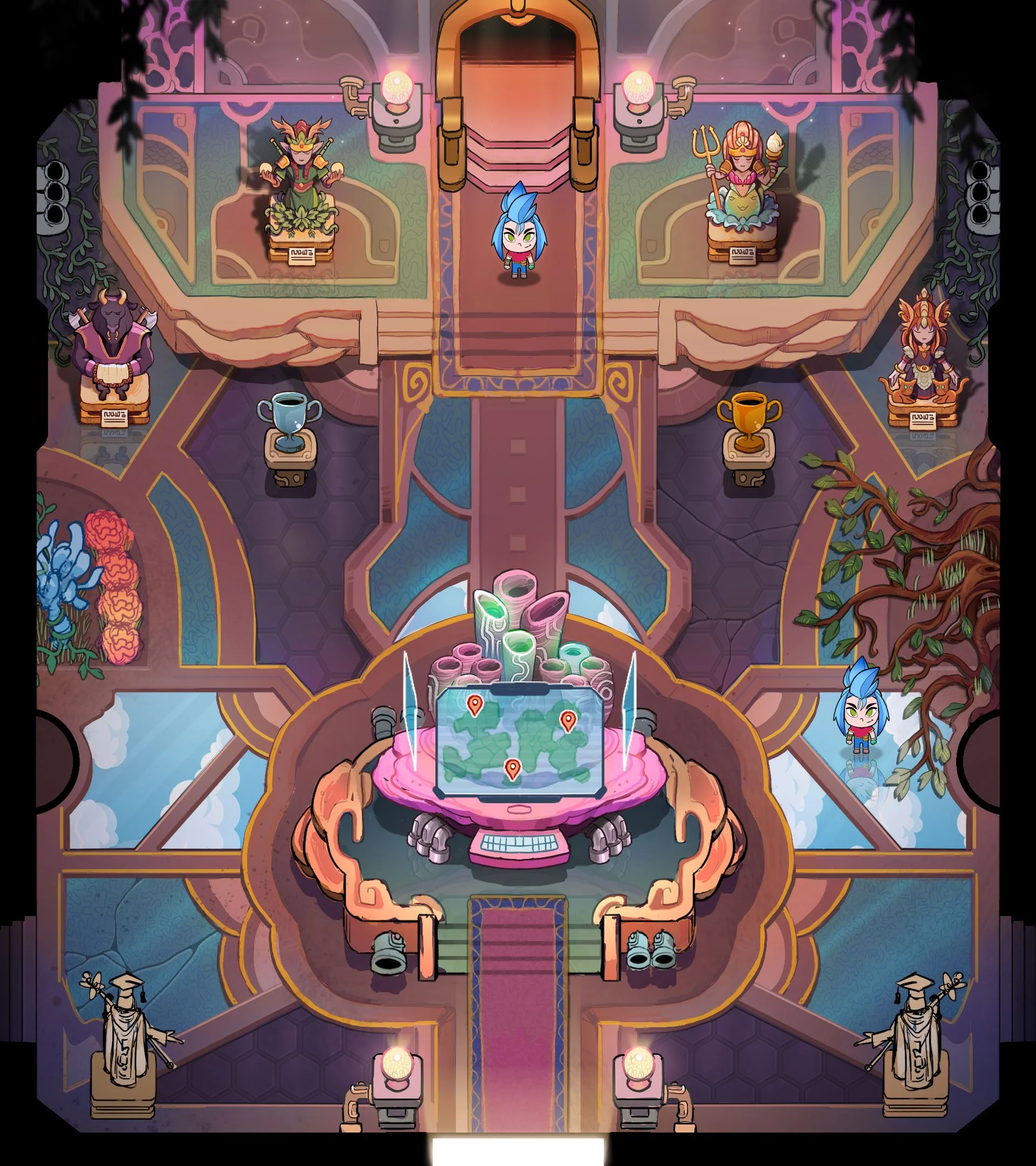
The Istation Game Demo was designed as a modern, engaging proof-of-concept that reimagined more than 20 years of Istation game content for today’s digital-native students. The goal was to unify legacy educational games into a single, exciting experience—one that felt contemporary, narrative-driven, and visually cohesive.
As Art Director, I led the visual vision of the demo, defining a distinct art style and guiding the concept-to-production pipeline to ensure the final experience was both appealing and accessible for a new generation of learners.
Project Type
Visual Direction
Concept Development
Production Oversight
Role
Art Direction
Visual Strategy
Production Leadership
Tools & Programs
Unity, Perforce
Jira
Gantt charts
Deliverables
Layout Templates
Art Guidelines
Bilingual Book Series
Accessible Print Versions
Acknowledgements
Many thanks to the talented artists, Rose Miller and Andy Estrada, who collaborated on this project.
Project Objective
Create a visually compelling game demo that modernizes Istation’s educational content while maintaining clarity, accessibility, and production efficiency. The demo needed to showcase how legacy game mechanics could evolve into a cohesive, story-driven experience with strong visual appeal.
PHASE 1
Defining the Vision
The Project
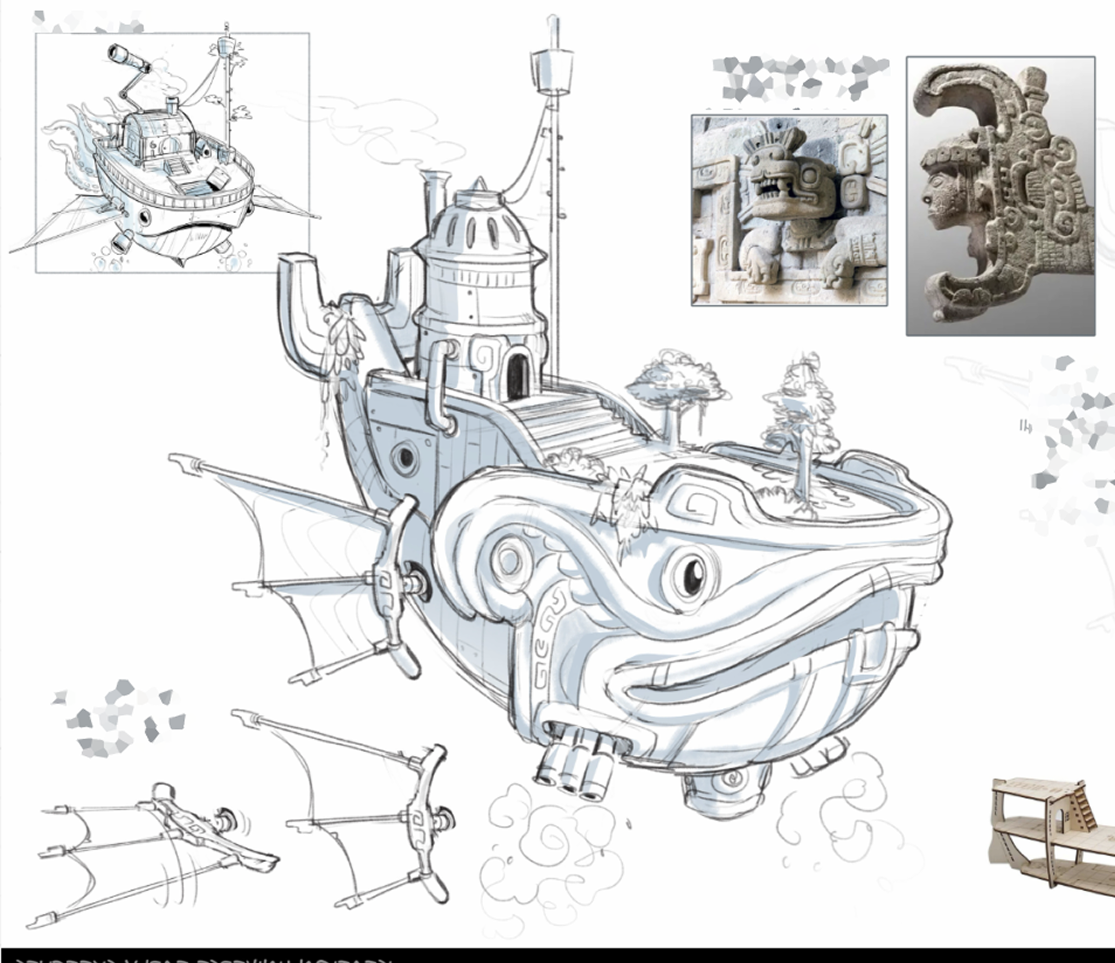
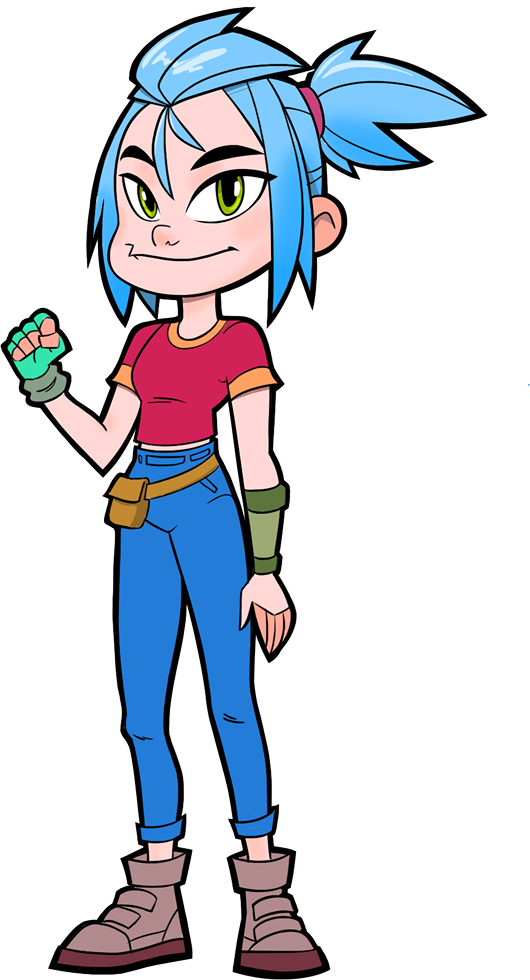
This demo was built as an engaging and exciting showcase for future game development. Key features included:
A narrative-driven structure
Customizable characters
Reward systems and progression
Non-player characters that enhanced immersion
The experience needed to feel modern and game-first, while still supporting educational goals.
PHASE 2
Market & Competitive Research
Understanding the Landscape
The first step was identifying how the demo could stand apart from competitors in the educational game space.
Research Focus
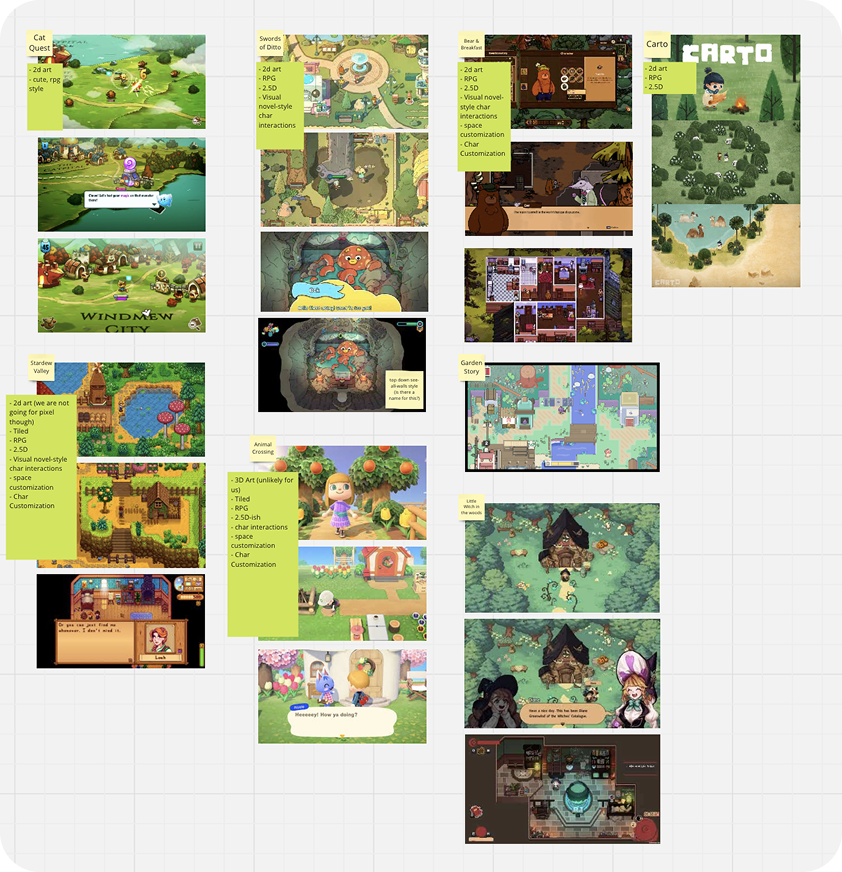
Analyzed popular games actively played by children
Studied visual styles, reward systems, and narrative hooks
Evaluated how entertainment-focused games maintain engagement
These insights informed a visual direction that felt familiar to students while remaining uniquely Istation.

PHASE 3
Pre-Production & Concept Development
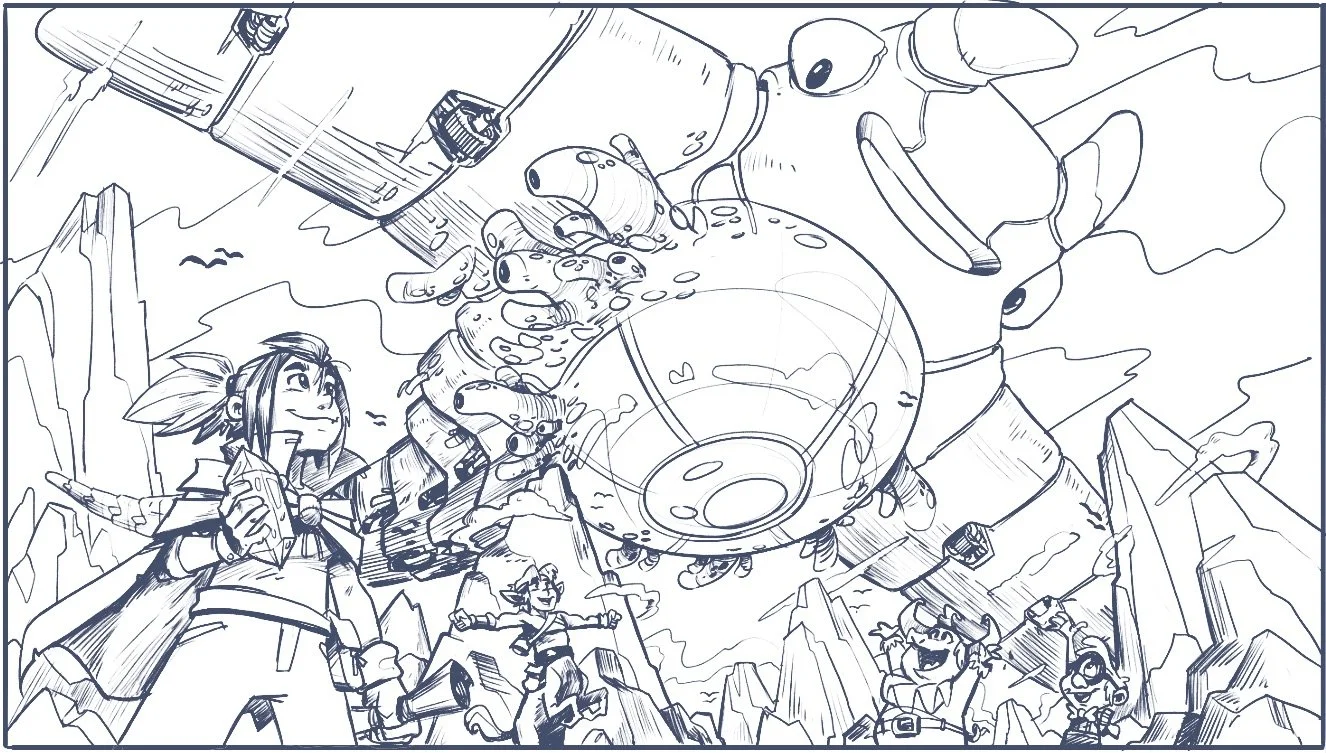
Blue-Sky Exploration
A strong emphasis on pre-production allowed the team to explore a wide range of visual ideas early—without slowing down later production phases.
Art Direction Approach
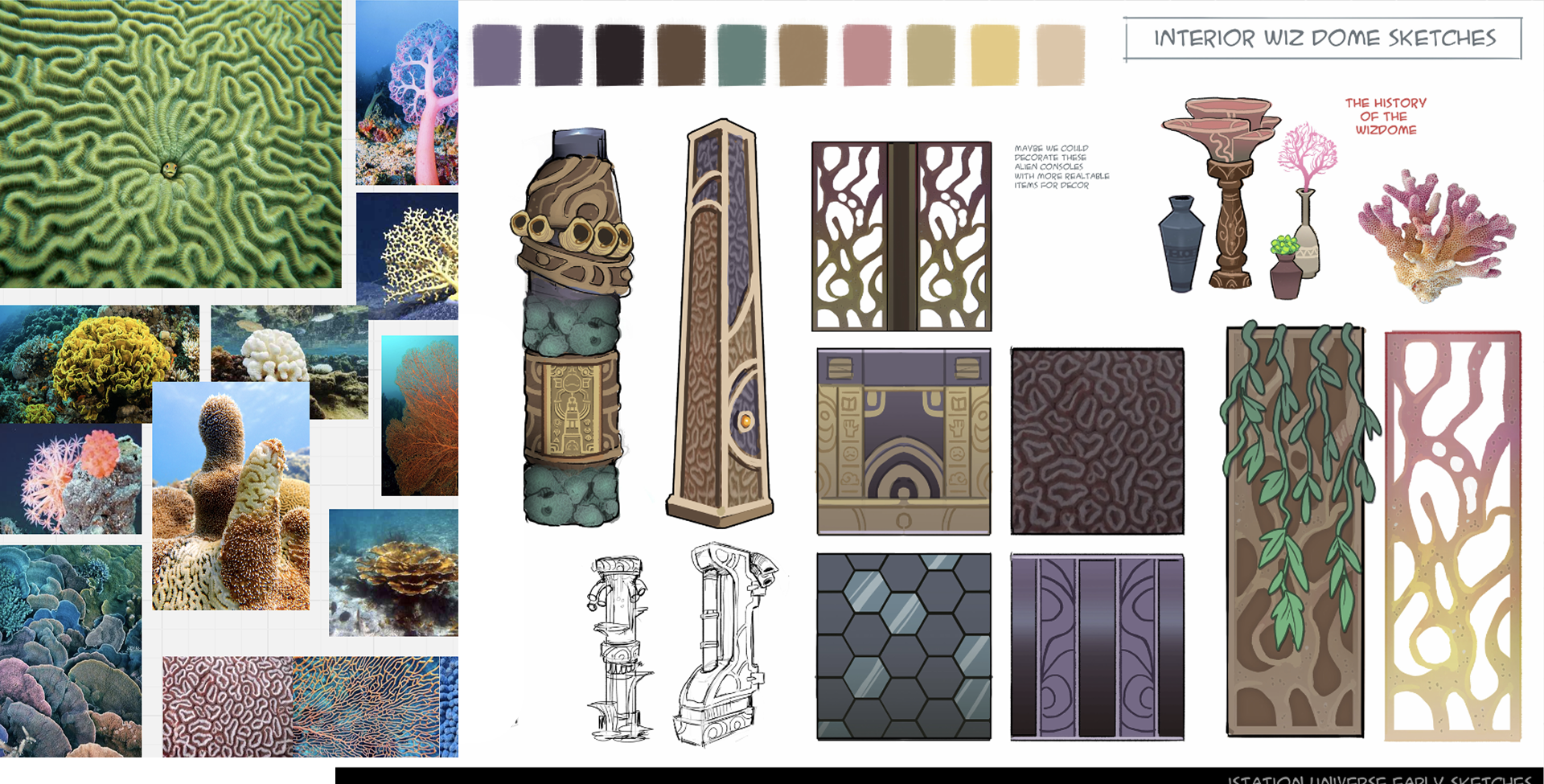
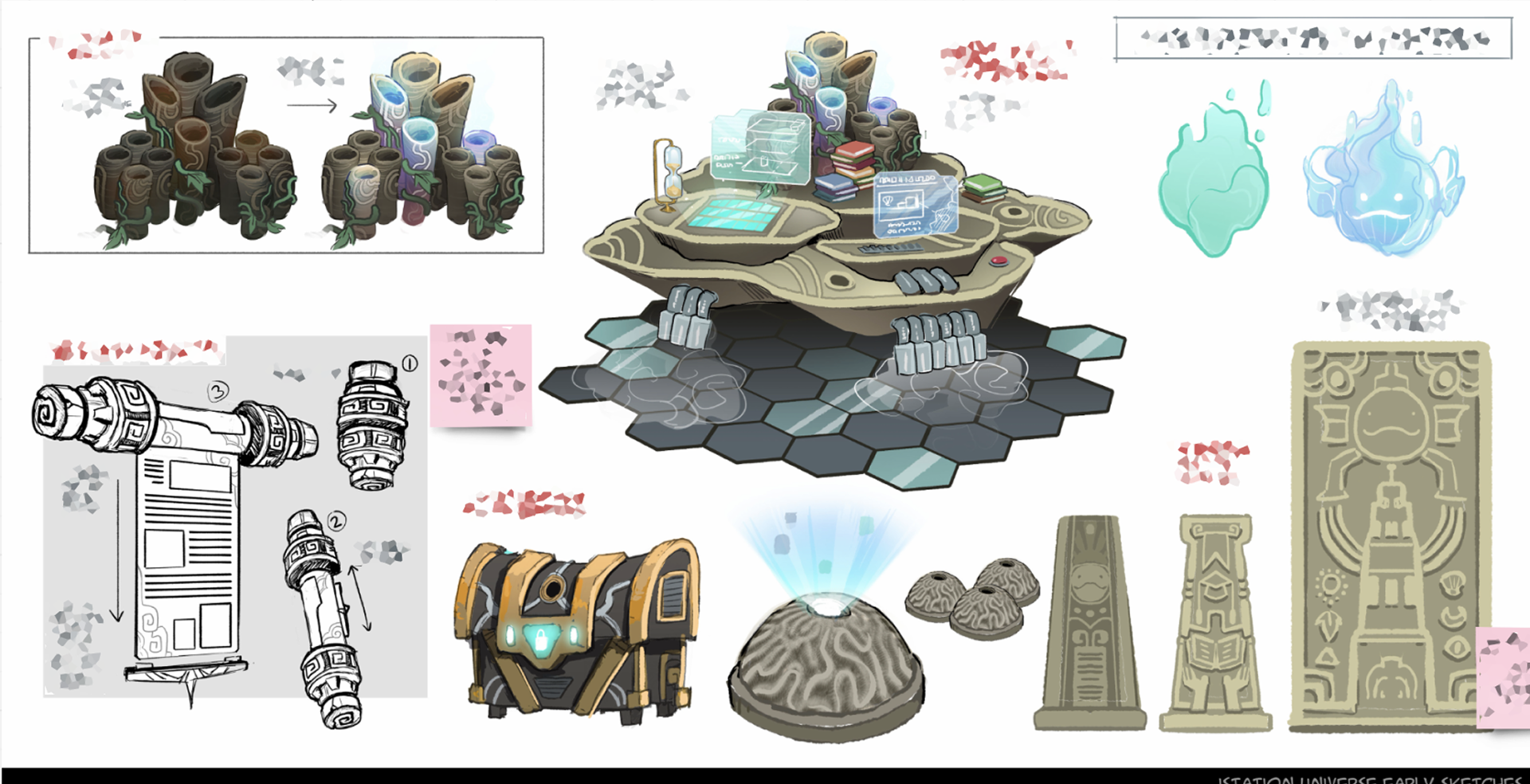
Defined a unique and distinct visual language for the demo
Used metaphor, specificity, and influence research to build depth
Ensured the art style supported narrative and gameplay goals
This phase also served as a mentorship opportunity, helping artists strengthen their concept-driven thinking and design process.
PHASE 4
Production & Pipeline Management
From Concept to Execution
Once production began, maintaining speed and consistency was critical.
Production Systems
Established a clear project management workflow using Jira and Gantt charts
Provided art feedback through detailed notes, red-lining, and conceptual guidance
Defined strict parameters for asset creation to meet deadlines
All assets were built to remain compatible with Perforce version control and the Unity game engine, ensuring smooth integration across teams.
Results & Impact
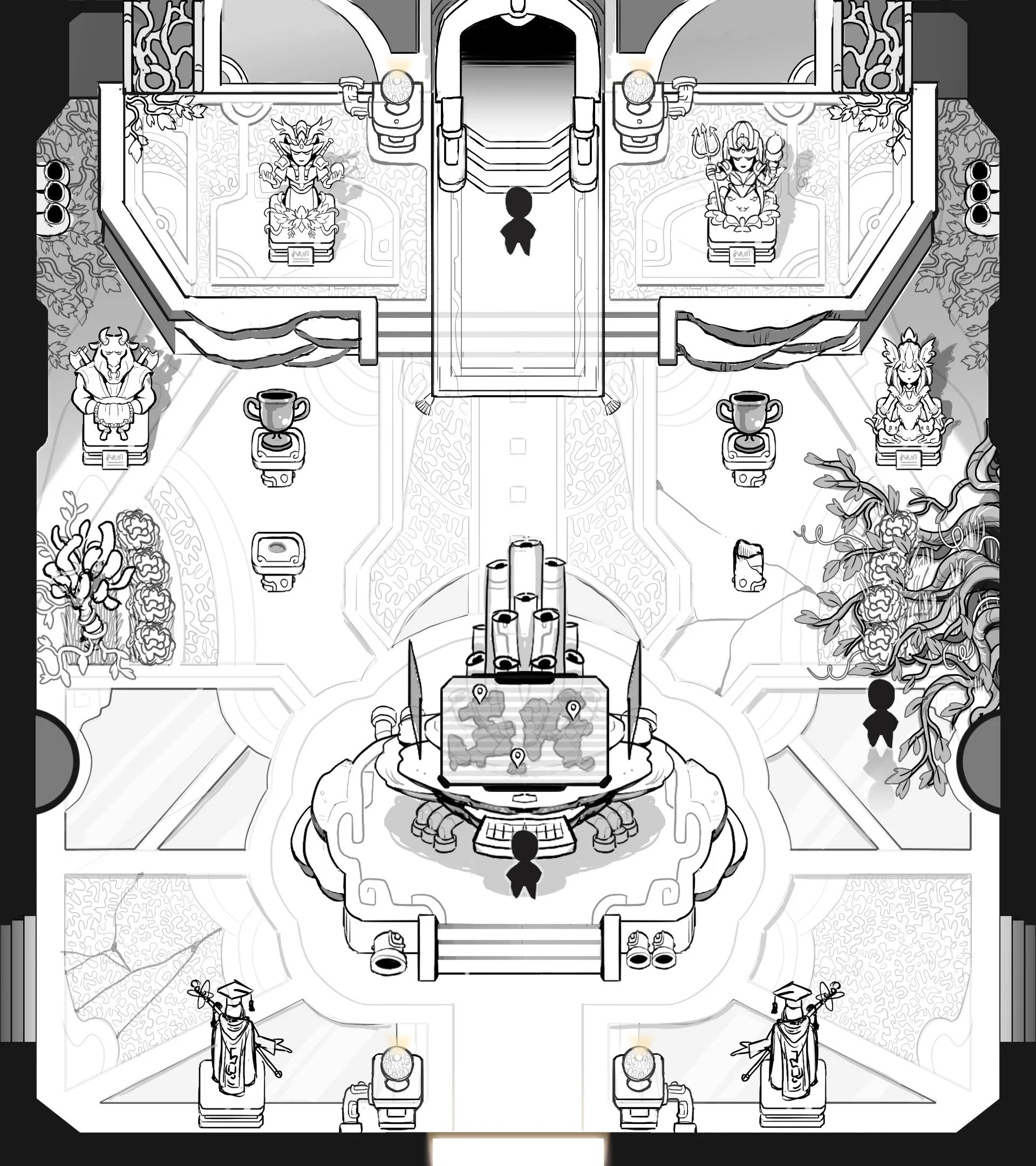
Unified 20 years of Istation game content into a single, modern experience
Established a clear visual direction for future game development
Created a compelling proof-of-concept for internal stakeholders
Balanced creativity with technical constraints and tight timelines